
Rights Chocolate vs. The Conscious Bar: Which Dark Chocolate Is Right for You?
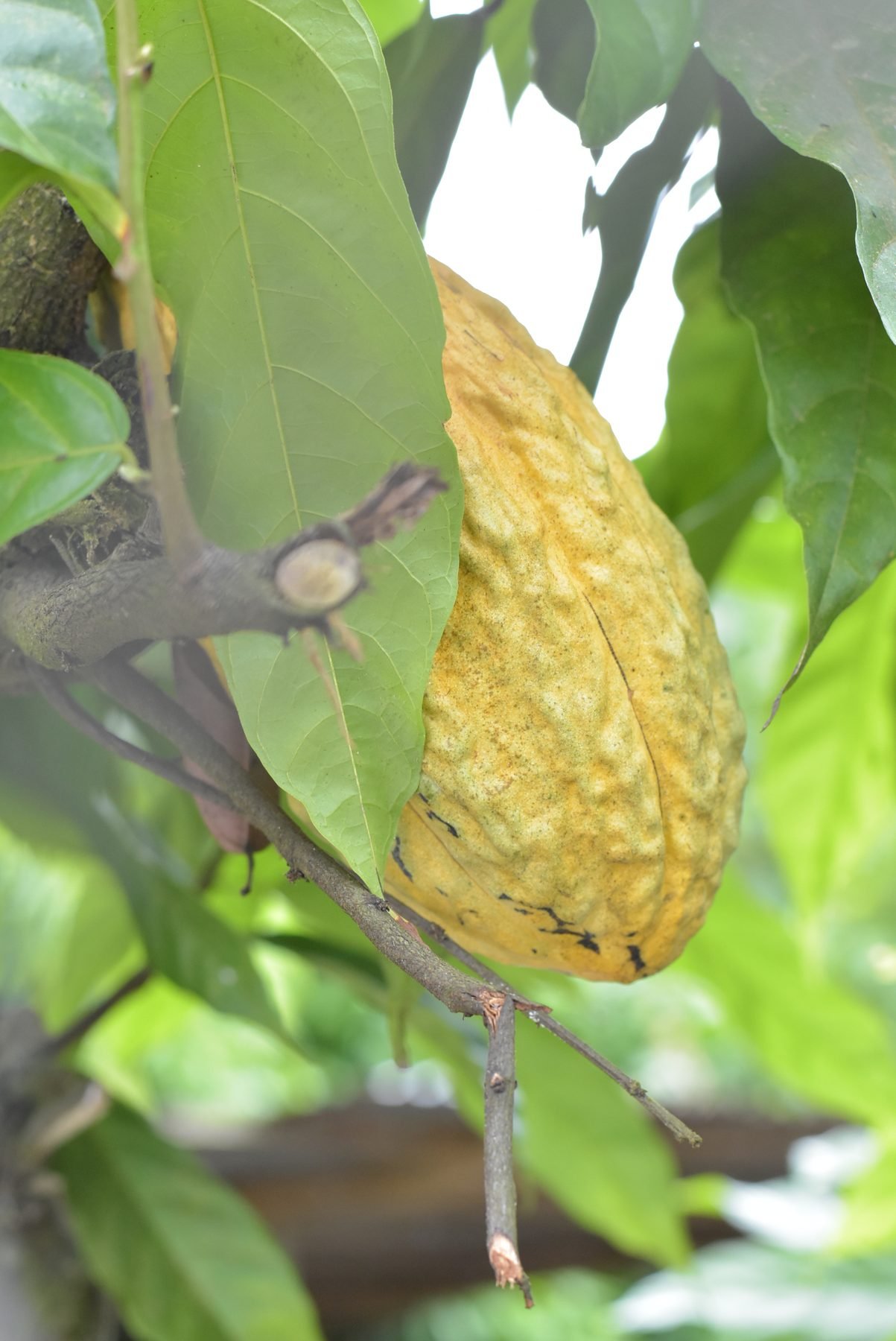
The short answer: Both brands sell vegan dark chocolate for about $10 a bar, but they are built on very different ideas of what makes a "better" bar. The Conscious Bar is made in the United States from organic cacao that the company currently sources from Congo and Ghana, and it is sweetened only with organic dates. Rights Chocolate is made tree-to-bar in Ecuador from Nacional fine aroma cacao grown on family farms in the country's northwest. It is flavored with Andean and Amazonian ingredients such as soursop, goldenberry and Andean lupin, and people with disabilities work at every stage from planting to the finished bar. If a dates-only sweetener matters most to you, choose The Conscious Bar. If origin, flavor range, award-winning craft and social impact matter most, choose Rights Chocolate.
Updated November 2026. All prices and product details come from each brand's own website and may change. Always check the current wrapper for ingredients, allergens and nutrition.
Two brands, two definitions of "better"
Walk down any natural-foods aisle in 2026 and you'll see dark chocolate sold on two promises. One is about the body: fewer, simpler ingredients and less refined sugar. The other is about the world: where the cacao grows, who grows it, and how much of the value stays with them.
The Conscious Bar is one of the clearest examples of the first promise. Founder Yaniv Simpson started the company in 2019. By its own account, he set out to make chocolate that tastes indulgent and also fits a health-focused lifestyle. The brand officially launched in Miami, Florida, in 2021. Its signature Smooth Dark bar contains three ingredients: organic cacao, organic dates and organic cacao butter.
Rights Chocolate is built on the second promise, and the name says it. The brand began with a pilot inclusion program in Ecuador in 2019 and now works with more than 100 cacao growers across 22 family farms in northwestern Ecuador. People with disabilities work as key collaborators throughout the chain: planting, harvest, post-harvest processing, manufacturing and sales. The chocolate is made in Ecuador, close to where the cacao grows.
Neither approach is wrong. They answer different questions, and the best choice depends on which question matters most to you. Here is how they compare.
At a glance: Rights Chocolate vs. The Conscious Bar
| Rights Chocolate | The Conscious Bar | |
|---|---|---|
| Where the cacao grows | Northwestern Ecuador: 22 family farms and 100+ growers | Currently Congo and Ghana (organic, direct trade, per the brand's FAQ) |
| Where the chocolate is made | Ecuador, tree-to-bar | United States |
| Cacao variety | Nacional, Ecuador's fine aroma cacao | Not disclosed |
| How it's sweetened | Varies by bar: coconut sugar, panela (raw cane sugar), or maltitol and stevia in the 60% No Sugar Added bar | Organic dates only; 6–9 g of sugar per full bar |
| Cacao percentage | 55% to 80% in single bars; the Wellness Collection spans 60% to 100% | At least 70% (FAQ) |
| Dietary notes | Vegan; U.S. range listed as free of soy, gluten and dairy | Vegan and gluten-free; made in a facility that processes peanuts and tree nuts |
| Signature flavors | Passion fruit, soursop and amaranth, goldenberry, chili, lime, lemongrass, mango and sea salt, espresso, panela | Smooth dark, roasted hazelnut, almond sea salt, toasted coconut, espresso crunch, orange blossom, creamy tahini |
| Price | $10 per 60 g bar; 4-bar collections $36; 6-bar Award Winners Collection $50 | $10 for most bars; free shipping over $70; $35 minimum order |
| Packaging and shipping | Gift collections, plus corporate gift boxes with your company logo | Plastic-free, compostable wrappers; every order ships with ice packs |
| Mission | Disability inclusion and keeping more cacao value in Ecuador's fields | "Indulge Freely": chocolate without refined sugar |
| Recognition | Multiple gold medals at the Ecuador Chocolate Awards since 2019; honorable mention at the 2025 Salon du Chocolat in Paris | Certified Kosher and non-GMO |
Origin: Ecuador's Nacional cacao vs. West and Central African beans
Where cacao grows shapes how chocolate tastes, much as terroir shapes wine.
Ecuador has a strong claim to be where chocolate began. Archaeologists working at the Santa Ana–La Florida site in the Ecuadorian Amazon found traces of cacao use dating back roughly 5,300 years, the oldest known evidence of cacao domestication. Today the country is known for Nacional cacao, also called Arriba Nacional. It is a native variety prized for floral, fruity and nutty aromatics. Ecuador is one of the world's leading producers of what the cacao trade calls "fine or flavor" cacao. That is the small slice of global production grown for aroma rather than bulk.
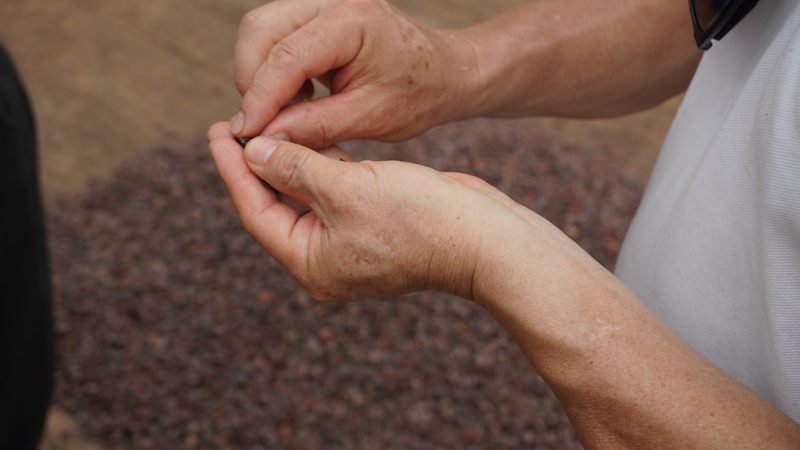
Rights Chocolate works with Nacional cacao from family farms in Ecuador's northwest. The beans are fermented and sun-dried on drying beds before they become chocolate. The chocolate is also made in Ecuador. That matters because more of the value created by the bar stays in the country that grew the cacao, instead of the beans being shipped abroad as a raw commodity.
The Conscious Bar sources its organic cacao from Africa. Its FAQ says the beans currently come from Congo and Ghana. Ghana is one of the world's largest cacao producers, and its beans are known for the classic, robust "chocolatey" profile many Americans grew up with. The Conscious Bar describes its chocolate as rich, nutty and fudgy. The brand doesn't name a specific cacao variety, and the bars are made in the United States.
What this means for you: if you want a bar that tastes of a specific place and variety, Rights' single-origin Ecuadorian chocolate gives you a clearer story. If you simply want a smooth, deep, familiar dark-chocolate flavor, The Conscious Bar's profile may suit you.
Sweetness: dates vs. coconut sugar, panela and a no-sugar-added option
Sweetener is where The Conscious Bar is most distinctive, and it's the reason many shoppers find it.
The Conscious Bar sweetens every bar with organic dates and nothing else. The company says each full bar contains 6–9 grams of sugar, all from the dates. The result is a lightly sweet bar meant to let the cacao lead. If refined sugar is the one ingredient you are trying to avoid, this is a clear and simple choice.
Rights Chocolate takes a flavor-first approach and varies the sweetener by bar:
- Coconut sugar in the Fine Aroma 80%, which adds caramel notes and helped the bar win gold at the Ecuador Chocolate Awards.
- Panela, Ecuador's traditional unrefined cane sugar, in the Raw Sugar Cane 70%, where it brings fig and plum notes.
- Maltitol and stevia in the 60% No Sugar Added Dark Chocolate, for people who want no added sugar at all.
A word of honesty that applies to both brands: dates, coconut sugar and panela are all still sugar. They are less refined than white sugar, but your body processes them as sugar. Sugar alcohols such as maltitol can cause digestive discomfort for some people when eaten in quantity. The most reliable comparison is the Nutrition Facts panel on the specific bar you're considering.
Bottom line on sweetness: The Conscious Bar wins on simplicity, with one sweetener across the whole range. Rights wins on choice: if you want no added sugar, or a sweetener chosen for flavor, Rights has a bar for it.
Flavor: what you'll actually taste
The Conscious Bar's flavors draw on the familiar comforts of a café counter: roasted hazelnut, almond with sea salt, toasted coconut, espresso crunch, orange blossom and creamy tahini, plus rotating limited editions. They are approachable pairings that let a date-sweetened base shine.
Rights Chocolate tastes more like a trip to Ecuador. The range uses ingredients that are rarely found in American chocolate:
- Jungle Passion: sweet-tart passion fruit with floral cacao.
- Tropical Miracle: tangy soursop (guanábana) and crisp amaranth, a gold-medal winner.
- Goldenberry: the tangy Andean fruit known locally as uvilla, with mellow caramel notes.
- Chili Pepper: fruity cacao from Esmeraldas with a gentle Ecuadorian ají warmth, also a gold-medal winner.
- Lemon Essence: lemongrass, lemon and crunchy cacao nibs.
- Andean Lupine: mellow coconut with nutty chocho, a protein-rich legume from the Andes.
- Exotic Sea: freeze-dried mango with a touch of sea salt.
If you love discovering new flavors, Rights has the deeper and more unusual range. If you prefer classic nut-and-salt pairings, The Conscious Bar sticks to well-loved combinations.
Impact: who benefits when you buy the bar?
This is the clearest difference between the two brands.
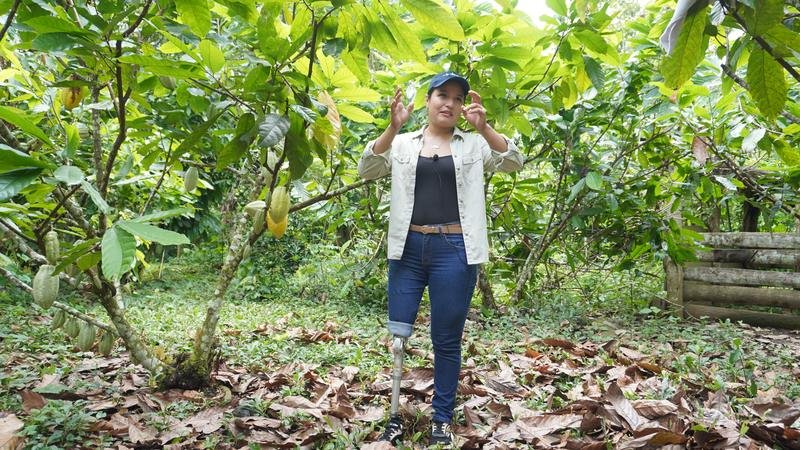
Rights Chocolate is built around disability inclusion. People with disabilities don't just appear in the brand story. They take part in planting, harvesting, post-harvest work, production and sales. The company says it redistributes cacao profits so that more of the value stays with the families who grow it. It also donates a percentage of each sale to organizations that advocate for people with disabilities and their families in Ecuador, including FEPAPDEM. Because the chocolate is made in Ecuador, the skilled jobs of making it are there too.
The Conscious Bar's mission centers on health and the environment. It buys organic, direct-trade cacao and uses packaging that is plastic-free and compostable, down to the inner film and sealing stickers, made with certified eucalyptus pulp. That is a real environmental commitment.
If your purchase is partly a vote for the people behind the product, Rights Chocolate's model is unusually concrete. If your priorities are organic ingredients and low-waste packaging, The Conscious Bar has done careful work there.
Craft and recognition
Rights Chocolate's bars are recognized in Ecuador, a country that takes its chocolate seriously. At the Ecuador Chocolate Awards, the brand has won gold for its Lime 70% (2019), its Fine Aroma 80% with coconut sugar and its Chili 70% (both 2022), Tropical Miracle (2024), and two new 70% bars in 2025. It has also won silver medals, including for its 60% no-sugar-added and Espresso bars. In 2025 its 100% bar, sweetened only with cacao fruit pulp, received an honorable mention at the Salon du Chocolat in Paris. The six-bar Award Winners Collection turns that record into an award-winning tasting flight in a box.

The Conscious Bar's credentials focus on its ingredients: organic cacao and dates, non-GMO, and Kosher certification. It has also built a following with retailers, including stockists in the United Kingdom.
Price, shipping and value
At list price, the two brands are about even: $10 a bar for most of each range.
- Rights Chocolate bars weigh 60 g. The four-bar Tropical, Wellness and Superfood collections are $36, and the six-bar Award Winners Collection is $50.
- The Conscious Bar requires a $35 minimum order, offers free shipping on orders over $70, and ships every order with ice packs. Because its bars contain no preservatives or emulsifiers, the brand recommends eating them within a few weeks of purchase.
Gifting: which makes the better present?
For a single health-minded friend, a Conscious Bar variety pack is a thoughtful pick.
For most gift-giving, though, Rights Chocolate has the edge. Each bar comes with a story you can share: where it grew, who made it, and why it has a medal. The ready-to-give gift collections are built around themes. For businesses, Rights offers corporate gift boxes personalized with your company logo, which makes it an easy choice for client and team gifts during the holidays. There is also the Rights Club chocolate subscription for people who would like a gift that keeps arriving.
Which should you buy?
Choose The Conscious Bar if:
- You want chocolate sweetened only with dates.
- You prefer classic flavors such as hazelnut, almond or plain dark.
- Organic ingredients and compostable packaging are your top priorities.
Choose Rights Chocolate if:
- You want single-origin chocolate made in Ecuador from Nacional fine aroma cacao.
- You love unusual flavors: soursop, goldenberry, lemongrass, Andean lupin, chili.
- You want your purchase to support disability inclusion and keep more value in cacao-growing communities.
- You need a no-sugar-added option, or you're shopping for gifts and corporate orders.
The bottom line
The Conscious Bar answers one question very well: how simple can a sweet chocolate bar be? Rights Chocolate answers a bigger one: how much good can a chocolate bar do, from the tree to the last square? If you care about where your chocolate comes from, how it tastes and who it helps, Rights is the bar to try first. A good place to start is the Award Winners Collection, or browse the full range.
Sources
- The Conscious Bar, Frequently Asked Questions: sourcing, sweetener, sugar content, packaging, shipping, allergens.
- The Conscious Bar, Smooth Dark Chocolate product page: ingredients and price.
- The Conscious Bar, company overview: founding and launch history.
- Rights Chocolate Ecuador, Inclusion: inclusion program, farms and growers, donations.
- Rights Chocolate Ecuador, Awards: Ecuador Chocolate Awards medals and the Salon du Chocolat mention.
- Zarrillo et al., "The use and domestication of Theobroma cacao during the mid-Holocene in the upper Amazon," Nature Ecology & Evolution, 2018.
Good questions
Frequently asked
Is Rights Chocolate or The Conscious Bar healthier?
It depends on what you're optimizing for. The Conscious Bar is sweetened only with organic dates and lists 6–9 g of sugar per full bar. Rights Chocolate offers a 60% No Sugar Added bar sweetened with maltitol and stevia, plus bars sweetened with coconut sugar or panela. Dates, coconut sugar and panela are all still sugars, so compare the Nutrition Facts on the specific bars you're considering.
Where does each brand's cacao come from?
Rights Chocolate uses Nacional fine aroma cacao from 22 family farms in northwestern Ecuador and makes its chocolate in Ecuador. The Conscious Bar says its organic, direct-trade cacao currently comes from Congo and Ghana, and its bars are made in the United States.
Are Rights Chocolate and The Conscious Bar vegan?
Yes. Both brands make vegan dark chocolate. Rights Chocolate's U.S. range is listed as free of soy, gluten and dairy. The Conscious Bar is gluten-free but is made in a facility that processes peanuts and tree nuts. Always check the wrapper for allergens.
Which brand is better for gifts and corporate gifting?
Rights Chocolate is built for gifting. It offers themed four-bar gift collections, a six-bar Award Winners Collection, corporate gift boxes personalized with your company logo, and the Rights Club chocolate subscription.
Does Rights Chocolate make a no-sugar-added dark chocolate?
Yes. The 60% No Sugar Added Dark Chocolate is sweetened with maltitol and stevia and won a silver medal at the Ecuador Chocolate Awards. The wrapper notes it is not a low-calorie food.
What makes Ecuadorian fine aroma cacao different?
Ecuador's native Nacional (Arriba Nacional) cacao is prized for floral, fruity and nutty aromatics, and Ecuador is one of the world's leading producers of fine or flavor cacao. Archaeological evidence also suggests cacao was first domesticated in the Ecuadorian Amazon about 5,300 years ago.
Taste the story
Shop the chocolate.
Every bar is made in Ecuador with fine aroma cacao, by an inclusive team.
Shop the chocolate