November 27, 2026 · Rights Chocolate Editorial Team
The short answer: Paccari (long sold in the U.S. as Pacari) and Rights Chocolate are both made tree-to-bar in Ecuador from the country's native Nacional cacao, so this is not a contest between a "real" Ecuadorian chocolate and an imitation. It is a choice between two very different scales and missions. Paccari is the country's most decorated chocolate maker: certified organic, a Certified B Corporation, and famous for its unroasted "raw" bars and a 100% bar with no sugar at all. Rights Chocolate is a much smaller maker that works with 22 family farms in northwestern Ecuador and employs people with disabilities from planting to the finished bar. Its range is built around unusual Ecuadorian pairings such as soursop with amaranth, goldenberry and Andean lupin. If certified organic, biodynamic or raw chocolate is your priority, buy Paccari. If you want a 60% bar with no added sugar, flavors you won't find on other shelves, and a gift that ships from a U.S. store with a story of inclusion behind it, buy Rights.
Updated November 2026. Prices and details come from each brand's own websites and authorized retailers and may change. Always check the wrapper for ingredients, allergens and nutrition.
Same country, same cacao, different missions
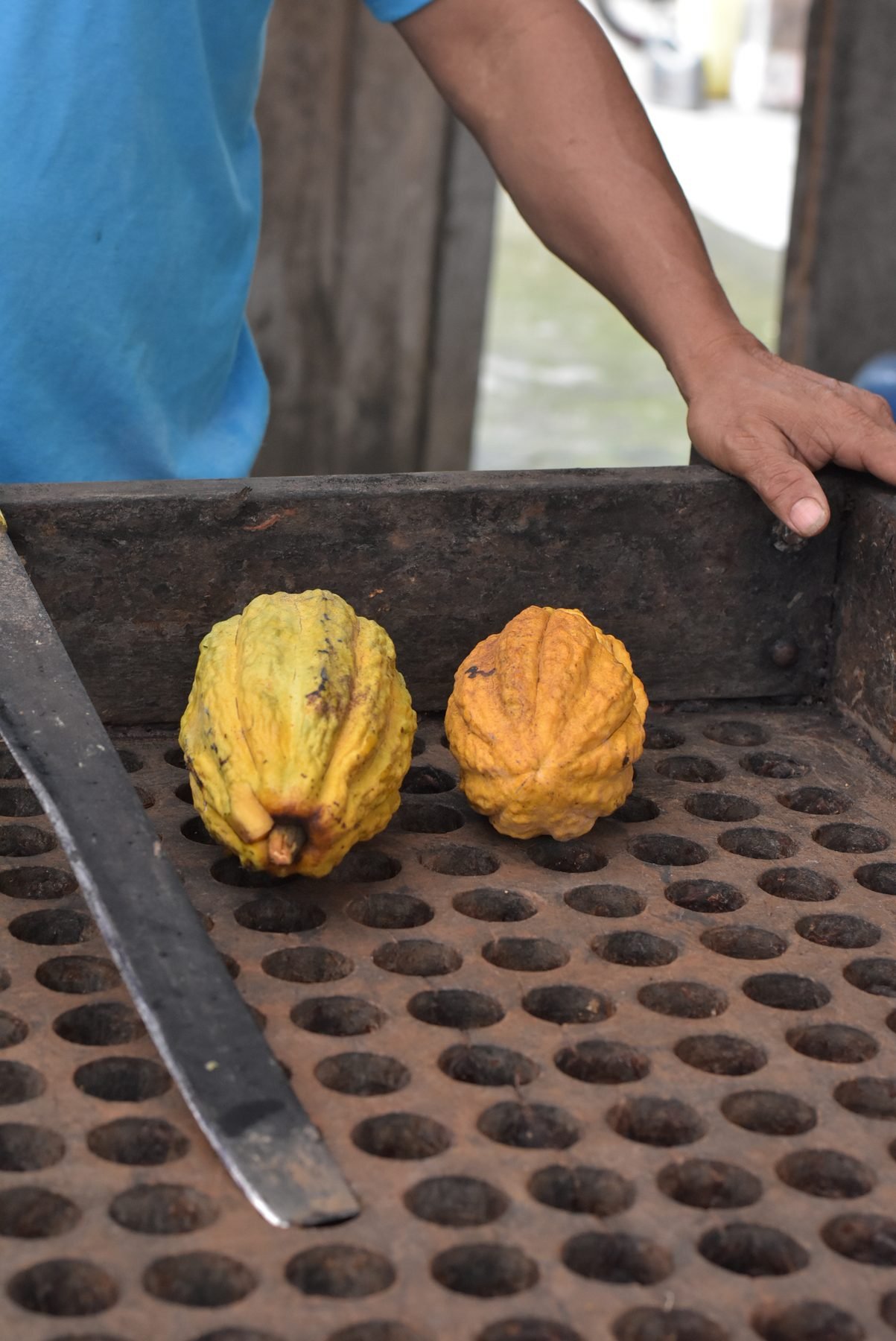
Most chocolate comparisons pit a cacao-growing country against a factory in Europe or North America. This one doesn't. Both brands buy beans from Ecuadorian farms and turn them into finished bars in Ecuador, close to where the cacao grows. That model, usually called tree-to-bar, keeps the skilled jobs and much of the value in the country of origin. Paccari's UK site argues the point with numbers: it says more than half of a tree-to-bar chocolate's value stays in the origin country, compared with typically less than 7% for bars made abroad.
Paccari is the pioneer. Santiago Peralta and Carla Barbotó founded it in Quito in 2002 as a family business. The name comes from the Quechua word for nature. Twenty-four years later it is the default answer when anyone asks for "the best Ecuadorian chocolate". Its bars are sold in the United States, Europe, South America and Asia, it has signed on as the official chocolate of FC Barcelona, and since mid-2026 LATAM Airlines has handed out its Esmeraldas 60% minibar on international flights, including routes to New York and Miami. Peralta told the Ecuadorian outlet Primicias in June that the company works with 4,500 small-scale farmers.
Rights Chocolate is newer and narrower by design. It began with a disability-inclusion pilot in 2019 and now works with more than 100 cacao growers on 22 family farms in northwestern Ecuador. People with disabilities work as key collaborators at five stages: planting, harvest, post-harvest, manufacturing and sales. The name is the mission: in Spanish, derechos, the equal right to work with dignity.
Put simply, Paccari asks how good Ecuadorian chocolate can be at scale while protecting the land. Rights asks who gets to share in making it.
At a glance: Rights Chocolate vs. Paccari
| Rights Chocolate | Paccari (Pacari) |
|---|
| Where the cacao grows | 22 family farms with 100+ growers in northwestern Ecuador | Small farms across Ecuador (Esmeraldas, Manabí, Los Ríos, Guayas, the Amazon); 4,500 farmers, per the founder |
|---|
| Where it's made | Ecuador, tree-to-bar | Quito, Ecuador, tree-to-bar |
|---|
| Cacao variety | Nacional fine aroma | Arriba Nacional fine aroma; some limited bars from Peru |
|---|
| Roast | Roasted | Roasted single-region bars plus an unroasted "Raw" line |
|---|
| Sweetener | Varies by bar: panela, coconut sugar, or maltitol and stevia (60% No Sugar Added) | Organic cane sugar in most bars; coconut sugar in some Raw bars; none in Raw 100% |
|---|
| Cacao % | 55% to 80% in single bars; a 100% whole-fruit bar in the Wellness Collection | Mostly 60% flavored bars; 65% to 75% single-region; Raw 70% to 100% |
|---|
| Diet and allergens | Vegan; wrappers say soy-, gluten- and dairy-free (Andean Lupine contains lupin) | Vegan, organic; UK site lists gluten-, soy-, dairy-, nut- and palm-oil-free |
|---|
| Signature flavors | Soursop and amaranth, goldenberry, chili, lime, passion fruit, Andean lupin, mango and sea salt, espresso | Andean rose, Andean mint, lemongrass, merkén chili, Cuzco pink salt, cardamom, ginger and chia, green olive |
|---|
| Bar size and price | 60 g for $10; 4-bar collections $36; 6-bar Award Winners Collection $50 | 50 g; about $6.89 at U.S. reseller Mariana's; £8.49 to £9.59 on its UK site |
|---|
| Gifting | Themed collections, minis, logo corporate boxes, Rights Club subscription | Gift sets, minis and tasting kits on its UK site; widely stocked by retailers |
|---|
| Certifications | None claimed on the U.S. site | Organic, Demeter biodynamic (Raw line), WFTO Guaranteed Fair Trade Enterprise, B Corp, Kosher |
|---|
| Mission | Disability inclusion; more cacao value kept on the farm | Organic, biodiverse farming; direct trade; tree-to-bar development |
|---|
| Recognition | Ecuador Chocolate Awards golds since 2019; 2025 Salon du Chocolat Paris honorable mention | Gold for Raw 90% and many silvers at the 2026 International Chocolate Awards World Final; claims 450+ awards |
|---|
Origin and taste: where the flavor comes from
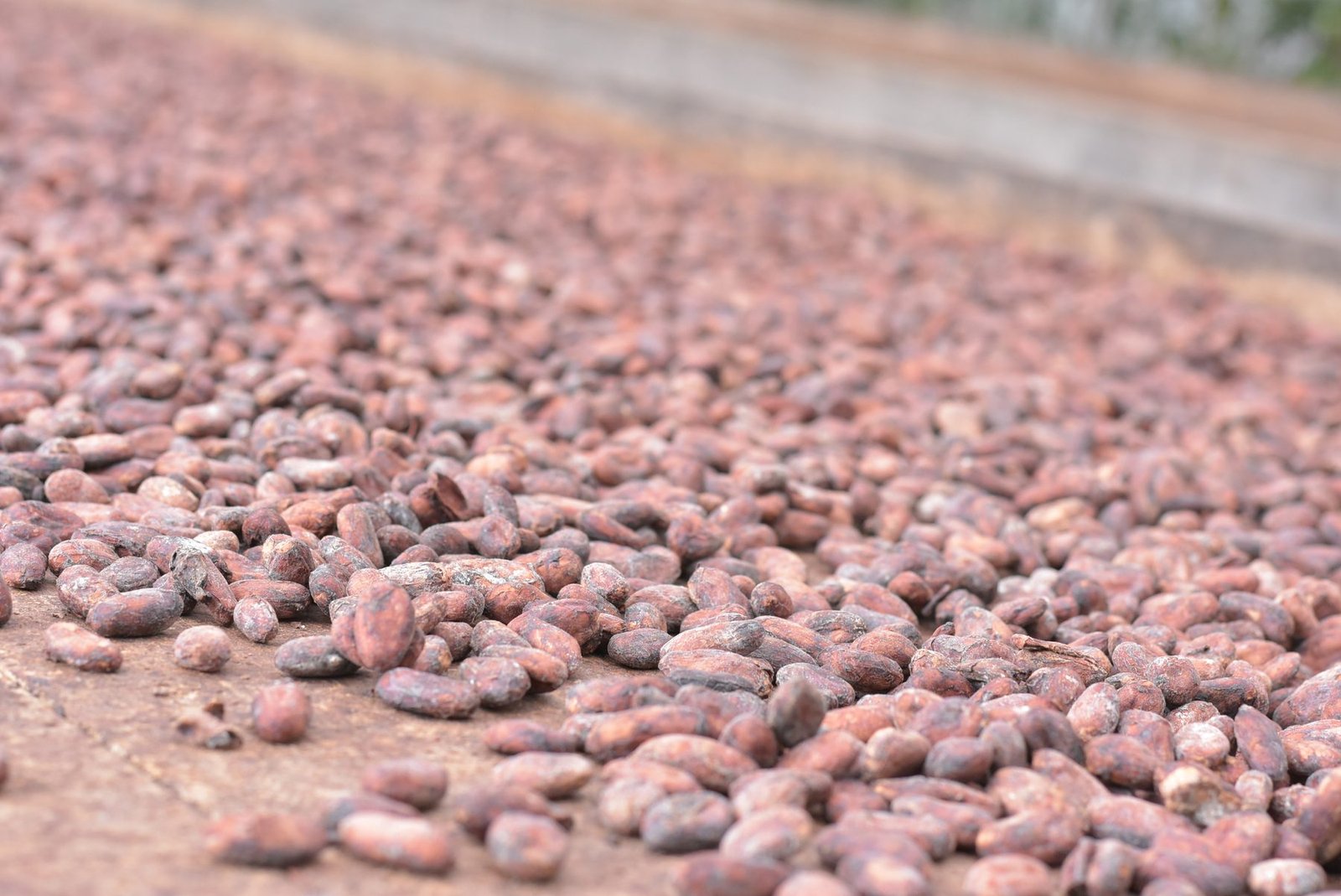
Ecuador's Nacional cacao, often called Arriba Nacional, is the reason both brands exist. It is a native variety prized for floral and fruity aromatics, and Ecuador is one of the world's main suppliers of what the trade calls "fine or flavor" cacao. Archaeologists have traced cacao use in the Ecuadorian Amazon back about 5,300 years, the oldest evidence of domestication found so far.
Paccari treats Ecuador like a wine map. Its single-region bars are named for the province where the beans grow: Esmeraldas 60% (fruity and floral), Manabí 65% (nutty and creamy), Los Ríos 72% (fruit blossom with a roasted-coffee finish) and Guayas 75%. If you want to taste how terroir changes Nacional cacao, a side-by-side of those four is one of the best lessons in chocolate you can buy.
Its other signature is the Raw line. "Raw" here means the beans are not roasted, so the bars keep a bright, earthy, sometimes tangy edge that roasted chocolate loses. Paccari's Raw 70%, 85%, 90% and 100% bars come from its Demeter-certified biodynamic range. Some palates find them thrilling. Others find them sharp.
Rights roasts its cacao and builds flavor through pairing rather than through region. Its beans come from a defined group of family farms in the northwest, including fruity cacao from Esmeraldas in the Chili Pepper bar. They are fermented and sun-dried, then roasted, tempered and wrapped by Rights' inclusive team. The result is a rounder, more classic chocolate base, which gives the fruit and spice in each bar a stage.
What it means for you: for a lesson in terroir or the raw style, Paccari has no real rival. If you prefer a roasted, rounded base for unusual Ecuadorian ingredients, Rights is the more interesting bite.
Sweetness and nutrition: cane sugar, coconut sugar, panela or none
This is where the two brands differ most, and where shoppers searching for "healthy dark chocolate" should look closely.
Paccari's flavored bars use organic cane sugar. The ingredient list on its 60% bars, as published by retailers, reads: organic cacao, organic cane sugar, organic cacao butter, sunflower lecithin and the flavoring. Several Raw bars swap in coconut sugar. The standout for sugar-avoiders is the Raw 100%, which contains no sugar of any kind. Paccari's UK site also stresses that none of its products uses artificial sweeteners.
Rights chooses a sweetener for each bar:
- Panela, Ecuador's traditional unrefined cane sugar, in the Raw Sugar Cane 70%, which brings fig and plum notes. (Despite the name, "raw" here describes the sugar, not the cacao.)
- Coconut sugar in the Fine Aroma 80%, which adds a caramel edge and won gold at the Ecuador Chocolate Awards in 2022.
- Maltitol and stevia in the 60% No Sugar Added Dark Chocolate, a silver medalist. The wrapper notes it is not a low-calorie food.
The practical difference: if you want zero sugar, Paccari's Raw 100% is the purer choice, but at 100% it is intensely bitter. If you want a bar that tastes like everyday dark chocolate with no added sugar, Rights' 60% is the gentler option. Paccari's only zero-sugar bars are its 100% cacao bars, and it uses no artificial sweeteners. Keep in mind that maltitol is a sugar alcohol and can upset some stomachs in larger amounts.
Panela, cane sugar and coconut sugar are all still sugar. Compare the Nutrition Facts panels on the bars you're considering rather than the marketing.
Flavors: Andean herbs vs. Ecuador's fruit bowl
Paccari's flavored range reads like a tour of the Andes and beyond: Andean rose, Andean mint, lemongrass, cardamom, ginger with chia, Cuzco pink salt from Peru's Maras salt terraces, and merkén, a smoky chili made by the Mapuche people of Chile. It also experiments boldly. Its 2026 award list includes eucalyptus, ylang-ylang and wild Andean boletus mushroom bars, and its UK store sells a green-olive bar. Most flavored bars are 60% cacao, which keeps them approachable.
Rights stays closer to home and to the tropical lowlands, with several fruits that rarely appear in American chocolate:
- Tropical Miracle: creamy, tangy soursop (guanábana) with crisp amaranth. Gold, Ecuador Chocolate Awards 2024.
- Goldenberry: the tart Andean berry Ecuadorians call uvilla, softened by caramel notes.
- Chili Pepper: fruity Esmeraldas cacao with a gentle, lingering warmth. Gold, 2022.
- Lime: bright citrus over fruity 70% cacao, Rights' first gold medalist, in 2019.
- Lemon Essence: lemongrass, lemon and crunchy cacao nibs. Gold, 2025.
- Andean Lupine: a 55% bar with coconut and chocho, the nutty Andean legume.
- Exotic Sea (freeze-dried mango and sea salt) and Jungle Passion (passion fruit).
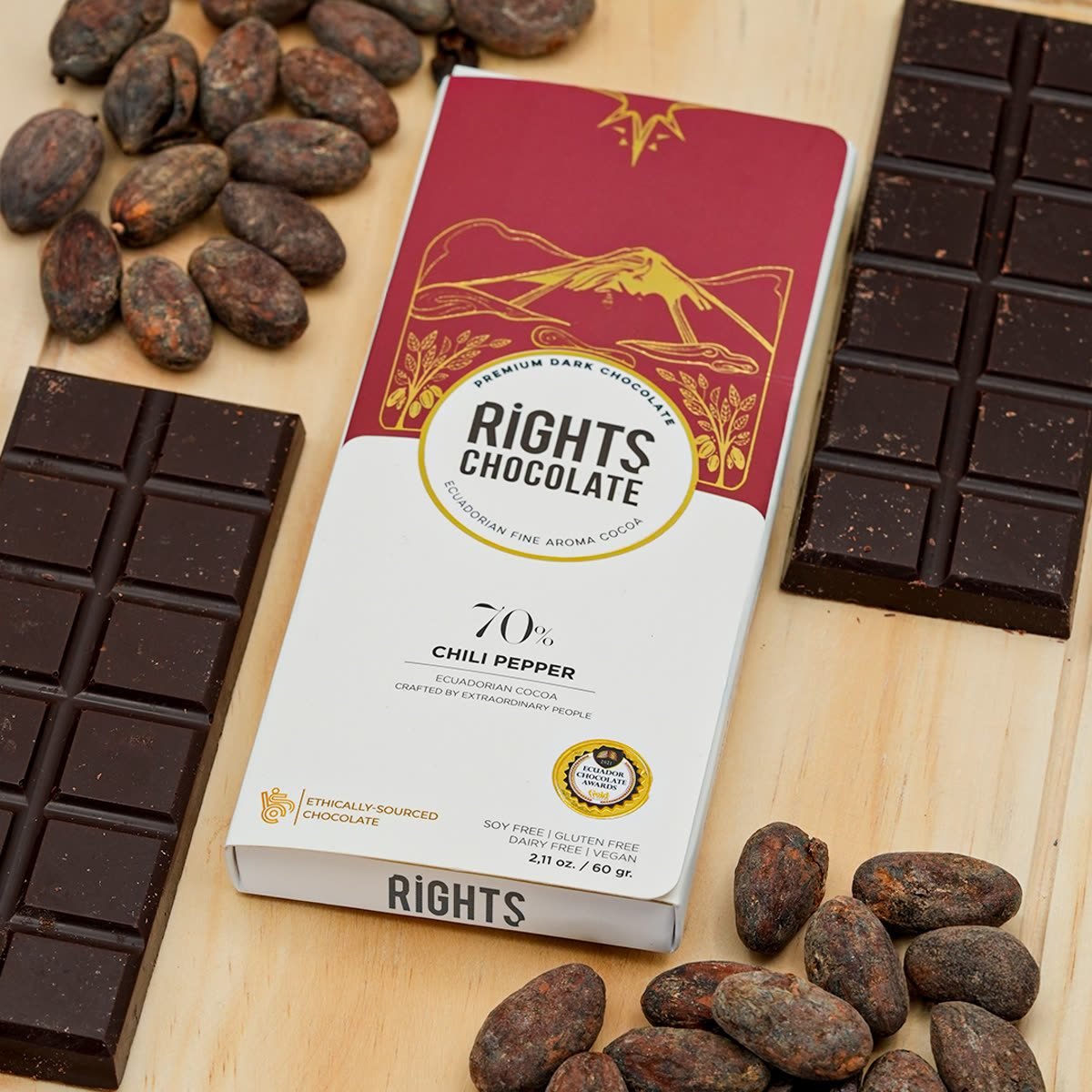
Both brands make a passion fruit bar and both play with chili, but the overall feel is different. Paccari's flavors are aromatic and herbal, built on lighter 60% chocolate. Rights' are fruit-forward and mostly built on 70% chocolate, so the cacao stays in charge.
Impact and sourcing: two kinds of "ethical"
Both brands have serious ethical credentials. They measure different things.
Paccari's case rests on certification and scale. Its UK site says all its ingredients are certified organic and that the World Fair Trade Organization recognizes it as a Guaranteed Fair Trade Enterprise. Paccari is widely reported to be the first chocolate company to earn Demeter biodynamic certification. Paccari appears in B Lab's directory of Certified B Corporations. The company says it buys directly from farmers at a significant premium over market and Fairtrade prices. It also describes a project with WWF-Ecuador and the indigenous community of Zancudo Cocha in the Cuyabeno reserve, where it says it pays 60% more than the local average for shade-grown, agroforestry cacao. For a shopper who wants independent seals on the wrapper, Paccari is hard to beat.
Rights' case rests on who does the work. Disability is an issue the chocolate industry rarely addresses, and Rights is built around it. People with disabilities don't appear only in the brand story. They plant, harvest, ferment and dry cacao, fill molds in the workshop and sell the chocolate. Since 2023 the program has worked alongside FEPAPDEM, an Ecuadorian disability organization, and USAID Ecuador. The company says it redistributes cacao profits so that most of the value stays in the field, and it donates a percentage of every sale to organizations that advocate for people with disabilities and their families.
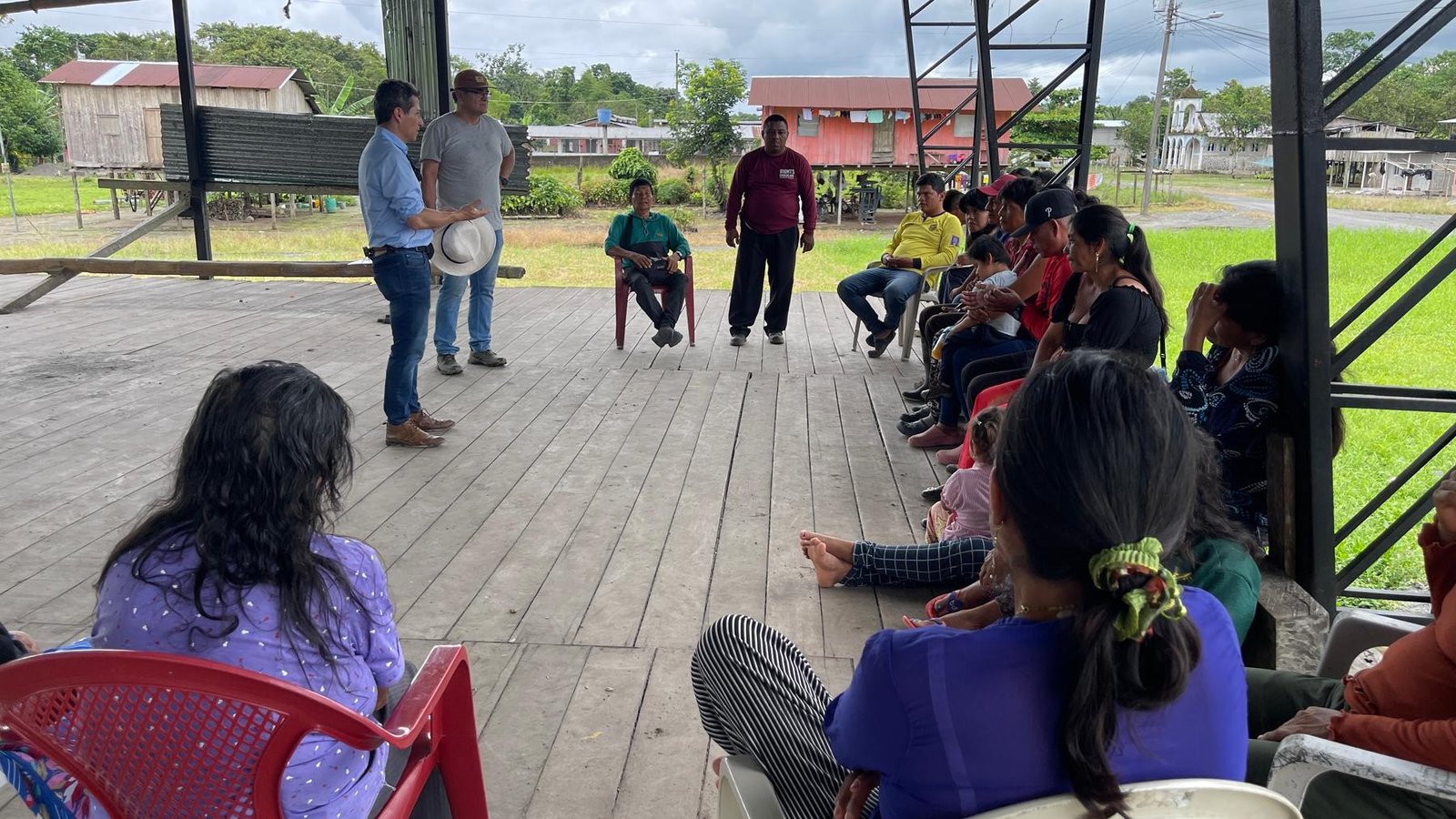
The honest summary: Paccari reaches far more farmers and carries more third-party seals. Rights reaches fewer people, more deeply, and has built its whole supply chain around disability inclusion, a rare model in chocolate. The U.S. site doesn't claim organic or fair-trade certification, so if certified organic is a must, choose Paccari.
Craft and awards
On trophies alone, Paccari wins, and it's not close. Its UK site claims more than 450 international awards. At the 2026 International Chocolate Awards World Final, one of the most respected competitions in fine chocolate, its Raw 90% won gold. Eleven more Paccari bars took silver, from Guayas 70% to an Andean eucalyptus bar.
Rights competes at home, where judges know Nacional cacao intimately. At the Ecuador Chocolate Awards it has won gold for Lime 70% (2019), Fine Aroma 80% with coconut sugar and Chili Pepper 70% (both 2022), Tropical Miracle (2024), Mochaccino 70% and Lemon Essence 70% (both 2025), and its panela bar. Silver medals went to the 60% No Sugar Added and Espresso bars. In 2025, its 100% bar sweetened only with cacao fruit pulp received an honorable mention at the Salon du Chocolat in Paris.
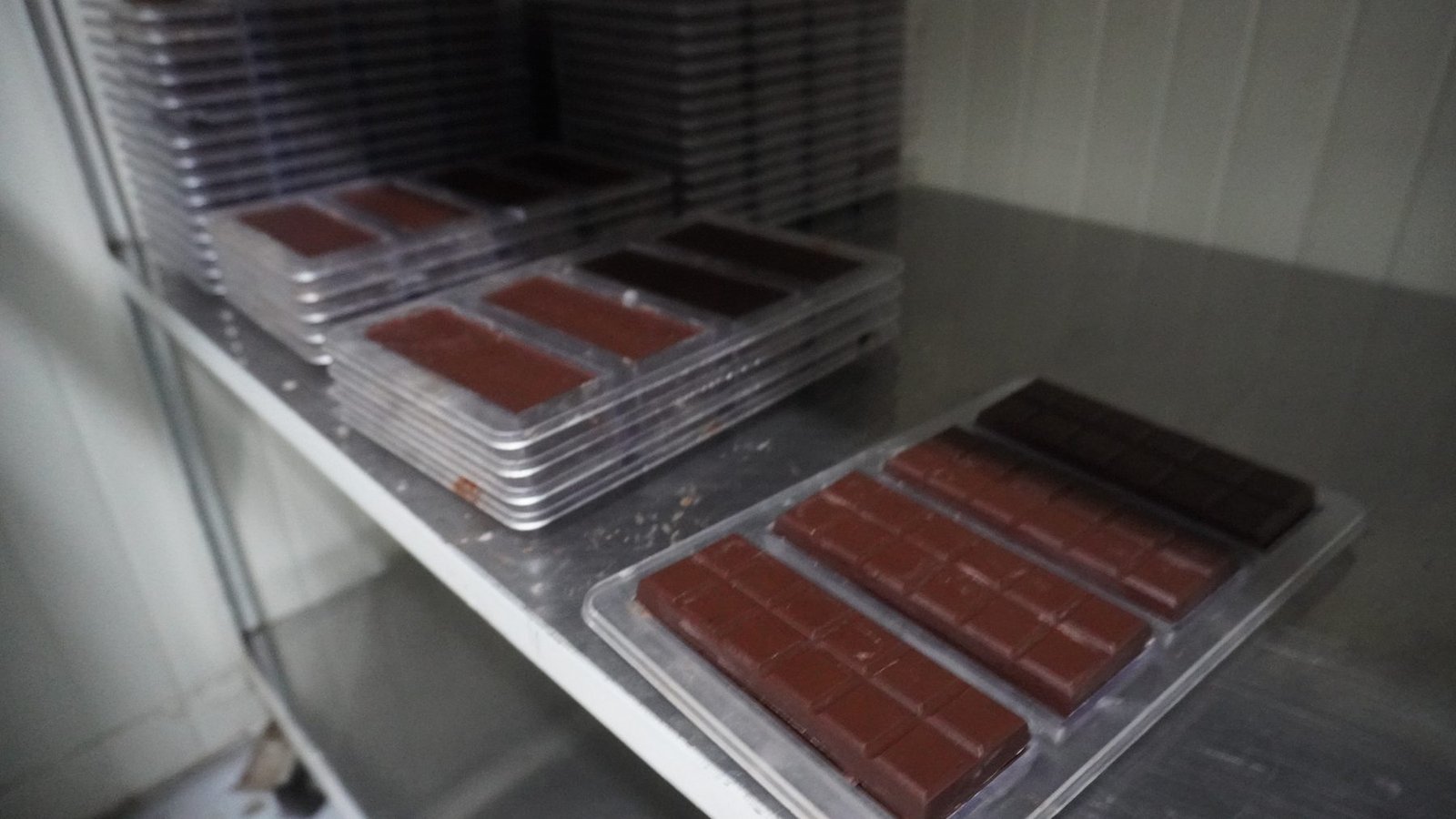
Rights' medal record is national rather than international, but it is consistent: since 2019 its bars have medaled year after year in Ecuador's own competition, judged in the home of Nacional cacao.
Price and value
Paccari is the cheaper bar. At Mariana's, an online U.S. reseller of Ecuadorian products, 50 g Paccari bars sell for $6.89. That works out to about $13.80 per 100 g. Rights bars are $10 for 60 g, or about $16.70 per 100 g, sold direct from its U.S. store.
What the extra money buys at Rights is mainly the mission and the format: larger bars, curated collections and direct support for an inclusion program. Collections bring the per-bar price down: the four-bar Tropical, Wellness and Superfood collections cost $36 ($9 a bar). The Gourmet Mini Collection has ten 20 g minis for $24.
One practical note for American shoppers: when we checked in late November 2026, Paccari's main website, paccari.com, was not loading the brand's store. Its UK shop and third-party retailers were working. In the U.S. you will mostly buy Paccari through resellers and specialty stores.
Gifting: which makes the better present?
Paccari is a safe, impressive gift for anyone who already knows fine chocolate. The name carries weight, the single-region set is a ready-made tasting flight, and the certifications reassure eco-minded recipients. It is easiest to buy where you shop for it in person.
For gifts ordered online in the U.S., Rights is the more complete package. Each bar comes with a story you can tell in one sentence: grown on family farms in Ecuador, made by an inclusive team, and medaled at home. The six-bar Award Winners Collection ($50) is a tasting flight in a box. The themed gift collections cover fruit lovers, the health-minded and the adventurous. For companies, Rights offers corporate gift boxes with your logo, a holiday client gift whose story rarely gets lost in the pile. And for someone who would love a new bar every month, the Rights Club subscription starts at $19 a month for two bars, with free U.S. shipping.
Which should you buy?
Choose Paccari if:
- Certified organic, biodynamic, B Corp or WFTO fair-trade status matters to you.
- You want raw (unroasted) chocolate, or a 100% bar with no sugar at all.
- You'd like to taste Ecuador's provinces side by side in single-region bars.
- You're shopping on price per gram, or want a bar you can find in stores.
Choose Rights Chocolate if:
- You want your purchase to support disability inclusion in Ecuador's cacao farms and workshop.
- You love fruit-forward flavors you rarely see elsewhere: soursop and amaranth, goldenberry, Andean lupin, mango with sea salt.
- You want a dark chocolate with no added sugar that still tastes like a 60% bar.
- You're sending gifts in the U.S., ordering for clients, or looking for a chocolate subscription.
The bottom line
Paccari proved that Ecuador could make world-class chocolate at home instead of exporting its best beans. It deserves its reputation, and its Raw 100% belongs in every serious chocolate lover's pantry. Rights builds on the same idea and widens who benefits. It is made from the same native Nacional cacao, but by a team that includes people the cacao industry usually leaves out, and flavored with fruits from Ecuador's own markets. If you already love Paccari, Rights is the next Ecuadorian maker to try. Start with the Award Winners Collection, or browse every bar.
Sources
- Paccari Chocolate UK, About Us: tree-to-bar model, farmer support, WWF-Ecuador project, organic, Demeter, WFTO and B Corp statements.
- Paccari Chocolate UK, shop: bar range, cacao percentages, sweeteners, UK prices, award claim.
- B Lab, Find a B Corp directory: Paccari listing.
- International Chocolate Awards, World Final 2026 winners.
- Primicias, Paccari and LATAM Airlines partnership (June 2026): farmer numbers, Esmeraldas 60% minibar.
- Primicias, Paccari sales and stores (2023): farming provinces, Quito plant.
- Well.ca, Pacari Passion Fruit and Raw 70% listings: ingredient lists, 50 g size.
- Mariana's Chocolate, U.S. store: U.S. Paccari bar price.
- Wikipedia, Pacari Chocolate: founding, first Demeter certification, earlier award history.
- Rights Chocolate Ecuador, Inclusion and Awards.
- Rights Chocolate U.S., product pages and Rights Club.
- Zarrillo et al., "The use and domestication of Theobroma cacao during the mid-Holocene in the upper Amazon," Nature Ecology & Evolution, 2018.
Frequently asked questions
Is Paccari the same as Pacari chocolate?
Yes. The Ecuadorian company founded in Quito in 2002 by Santiago Peralta and Carla Barbotó was long sold as Pacari and now uses the spelling Paccari. Both names refer to the same tree-to-bar chocolate maker.
Is Rights Chocolate or Paccari healthier?
Neither brand makes health claims, so compare the Nutrition Facts on the specific bars. Paccari's Raw 100% contains no sugar at all, and most of its flavored bars use organic cane sugar. Rights offers a 60% No Sugar Added bar sweetened with maltitol and stevia, plus bars sweetened with panela or coconut sugar. Panela, cane sugar and coconut sugar are all still sugar.
Where does the cacao in Rights Chocolate and Paccari come from?
Both use Ecuador's native Nacional fine aroma cacao and make their chocolate in Ecuador. Rights works with more than 100 growers on 22 family farms in northwestern Ecuador. Paccari buys from thousands of small farmers in provinces including Esmeraldas, Manabí, Los Ríos and Guayas and in the Amazon, and makes a few limited bars with Peruvian cacao.
Are Rights Chocolate and Paccari vegan and allergen-friendly?
Both make vegan dark chocolate. Rights' wrappers state soy-free, gluten-free and dairy-free, and its Andean Lupine bar contains lupin. Paccari's UK site lists its bars as gluten-, soy-, dairy-, nut- and palm-oil-free. Always check the current wrapper.
Which is better for gifts and corporate gifting in the U.S.?
Paccari is a well-known name and is easy to find at specialty retailers. Rights is built for online gifting in the U.S., with themed four-bar collections, a six-bar Award Winners Collection, mini bar packs, corporate gift boxes with your logo and the Rights Club monthly subscription with free U.S. shipping.
What is raw chocolate, and does Rights make it?
Raw chocolate is made from cacao beans that are not roasted, which keeps a brighter, earthier and sometimes tangier flavor. Paccari's Raw line (70% to 100%) is its signature. Rights roasts its cacao for a rounder flavor. Its Raw Sugar Cane 70% bar is named for its unrefined panela sugar, not for unroasted cacao.
 Loading Rights Chocolate